Disease and Pest Control
Fungi
Insects
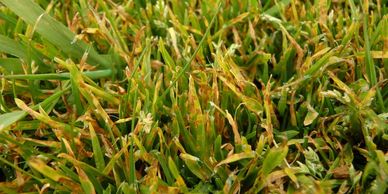
Lawn disease is caused by a microorganism attacking a prone species of grass in the right environment. Unfortunately, a dull mower blade or poor irrigation can also resemble lawn fungus damage like brown patches or dead grass. A waterlogged lawn is a conducive breeding ground for fungi. While your lawn may look lush and green, eventually, it's almost inevitable, that you may need to apply natural fungal control measures, as part of your lawn's environment through proper mowing and watering techniques to keep lawn disease at bay. The goal is to increase your lawn's health and strength so you can get back to relaxing outside, lawn fungus-free.
Insects
Insects

Armyworms, Cutworms, Sod Webworm, Annual Bluegrass Weevil, Banks Grass Mite Billbugs, Black Turfgrass Ataenius, Centipedes, Crickets, Earwigs Fleas, Grasshoppers, Leafhoppers, Mealybugs, Millipedes, Mites, Pill bugs, Sowbugs, Ants, Black Vine Weevil, Chinch Bugs, Crane Flies, European Chafer, Fleas, Frit Fly, Green June Beetle, May or June Beetle, Imported Fire Ants, Japanese Beetle, Masked Chafer, Mole Cricket, Stink Bugs, Ticks and much more.
Worms
Worms

As with leatherjackets you may notice small brown patches appearing on your lawn or birds vigorously pecking your lawn. This may be an indication that you have chafer grubs. The chafer grub is the larvae of the chafer beetle and can-do considerable damage to your lawn if left untreated. It lives just beneath the surface of the grass and happily munches its way through the roots of the grass leaving them without nourishment from the soil and therefore turning brown and dying.